The Graphics Card
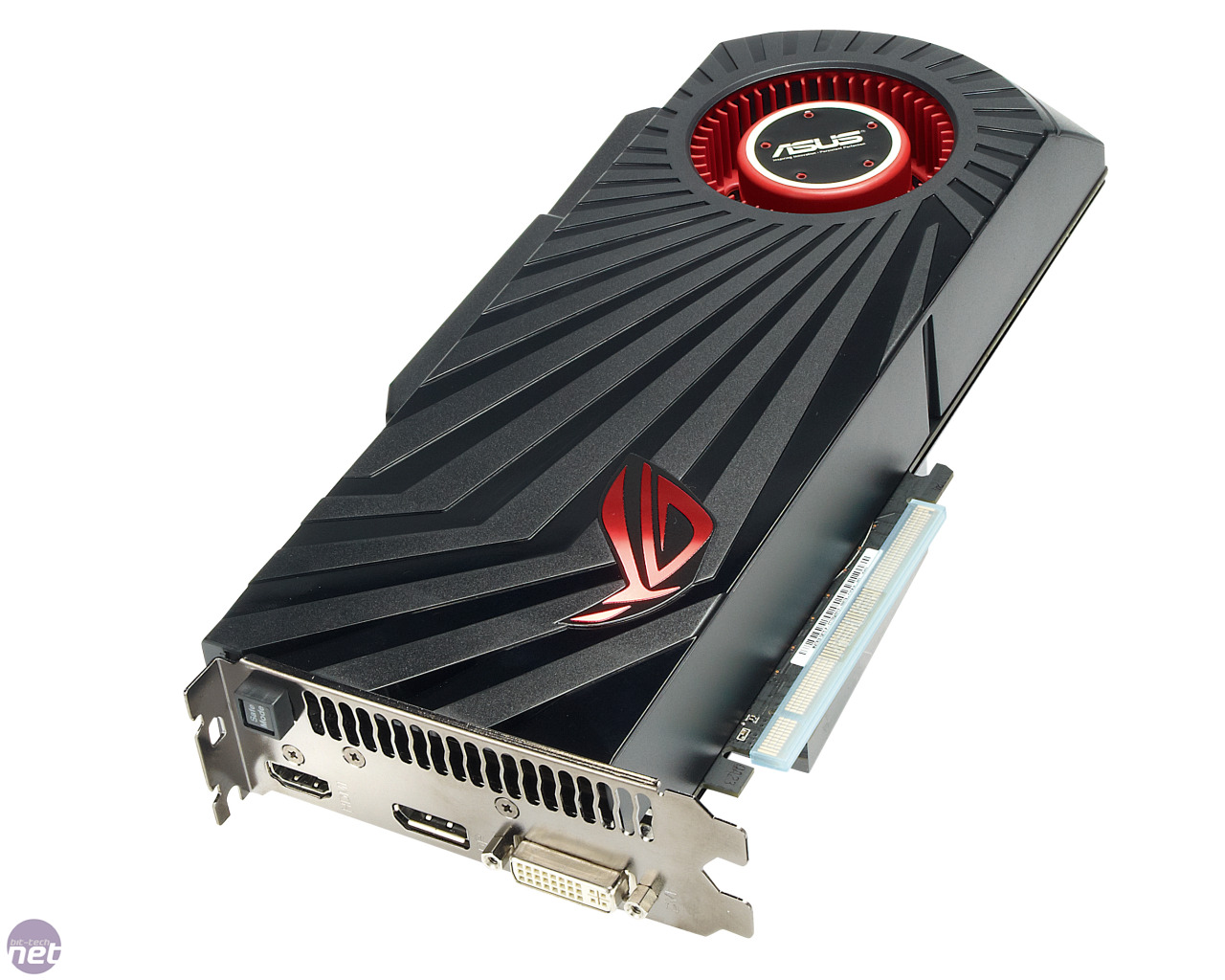
A video card (also called a video adapter, display card, graphics card, graphics board, display adapter, graphics adapter or frame buffer and sometimes preceded by the word discrete or dedicated to emphasize the distinction between this implementation and integrated graphics) is an expansion card which generates a feed of output images to a display (such as a computer monitor). Within the industry, video cards are sometimes called graphics add-in-boards, abbreviated as AIBs, with the word "graphics" usually omitted.
Dedicated vs integrated graphics
As an alternative to the use of a video card, video hardware can be integrated into the motherboard or the CPU. Both approaches can be called integrated graphics. Motherboard-based implementations are sometimes called "on-board video" while CPU-based implementations are called accelerated processing units (APUs). Almost all desktop computer motherboards with integrated graphics allow the disabling of the integrated graphics chip in BIOS, and have a PCI, or PCI Express (PCI-E)slot for adding a higher-performance graphics card in place of the integrated graphics. The ability to disable the integrated graphics sometimes also allows the continued use of a motherboard on which the on-board video has failed. Sometimes both the integrated graphics and a dedicated graphics card can be used simultaneously to feed separate displays. The main advantages of integrated graphics include cost, compactness, simplicity and low energy consumption. The performance disadvantage of integrated graphics arises because the graphics processor shares system resources with the CPU. A dedicated graphics card has its own random access memory (RAM), its own cooling system, and dedicated power regulators, with all components designed specifically for processing video images. Upgrading to a dedicated graphics card offloads work from the CPU and system RAM, so not only will graphics processing be faster, but the computer's overall performance may also improve.
Both of the dominant CPU makers, AMD and Intel, are moving to APUs. One of the reasons is that graphics processors are powerful parallel processors, and placing them on the CPU die allows their parallel processing ability to be harnessed for various computing tasks in addition to graphics processing. (See Heterogeneous System Architecture, which discusses AMD's implementation.) APUs are the newer integrated graphics technology and, as costs decline, will probably be used instead of integrated graphics on the motherboard in most future low and mid-priced home and business computers. As of late 2013, the best APUs provide graphics processing approaching mid-range mobile video cards and are adequate for casual gaming. Users seeking the highest video performance for gaming or other graphics-intensive uses should still choose computers with dedicated graphics cards. (See Size of market and impact of accelerated processing units on video card sales, below.)
Beyond the enthusiast segment is the market for professional video cards for workstations used in the special effects industry, and in fields such as design, analysis and scientific research. Nvidia is a major player in the professional segment. In November, 2013, AMD introduced a so-called "Supercomputing" graphics card "designed for data visualization in finance, oil exploration, aeronautics and automotive, design and engineering, geophysics, life sciences, medicine and defense."

No comments:
Post a Comment